Designing Outdoor Living Spaces for the Arizona Desert
Back to BlogsArizona homeowners are uniquely positioned to make the most of outdoor living. With over 300 days of sunshine per year and mild winters that most of the country envies, the Phoenix metro area offers an extended outdoor season that few regions can match. But designing an outdoor space that's genuinely comfortable — not just during the pleasant months, but through the intense summer heat — requires thoughtful planning and an understanding of the desert environment.
Done right, an outdoor living space doesn't just add square footage — it changes how you use your entire property. A shaded patio for family dinners. A full outdoor kitchen for weekend entertaining. A pool area that feels like a private resort. The key is designing for Arizona's climate from day one, not trying to fight it after the fact.
Shade Is Everything
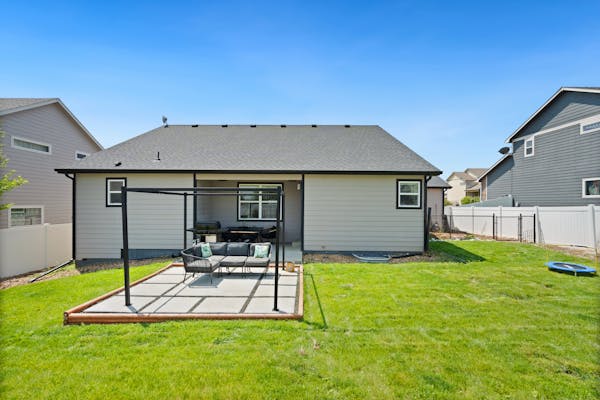
In the Arizona desert, shade is the single most important element of any outdoor living space. Without it, even the most beautifully designed patio becomes unusable for half the year. The good news is that shade structures have come a long way from basic aluminum patio covers. Today's options include solid roof extensions that match your home's architecture, pergolas with retractable canopies, louvered roof systems that adjust to the sun's angle, and natural shade from strategically planted desert trees like Palo Verde or Mesquite. A well-placed shade structure can reduce the temperature beneath it by 20 to 30 degrees, transforming an unbearable 115-degree afternoon into a manageable outdoor experience — especially when combined with misting systems or ceiling fans.
Choosing Materials Built for the Desert
The materials you select for your outdoor space need to survive extreme UV exposure, temperature swings from 40°F winter mornings to 115°F summer afternoons, and monsoon rains. Not everything that looks great in a showroom will hold up in the Sonoran Desert.
- Pavers and Concrete: Travertine pavers remain the gold standard for Arizona patios because they stay cooler underfoot than most alternatives. Stamped concrete is a budget-friendly option that offers visual variety, but it can get extremely hot in direct sun. If you go with concrete, lighter colors reflect more heat.
- Composite Decking: Traditional wood decking warps and cracks in Arizona's dry heat. Composite materials like Trex or TimberTech offer the look of wood without the maintenance, though they can still get hot to the touch — pair them with shade for best results.
- Stone and Tile: Natural stone like flagstone and slate are durable and visually striking, but darker varieties absorb significant heat. Stick with lighter tones for walking surfaces and reserve darker stone for accent walls or features.
- Metal and Steel: Powder-coated steel and aluminum are ideal for outdoor structures, furniture frames, and railings. They resist rust and handle UV exposure far better than untreated wood or wrought iron.
Outdoor Kitchens: Bringing the Indoors Out
Outdoor kitchens are among the most requested features in Phoenix-area outdoor remodels, and it's easy to see why. Arizona's climate makes year-round outdoor cooking realistic, and a purpose-built kitchen eliminates the constant trips back and forth through the house. A functional outdoor kitchen typically includes a built-in grill, counter space, a small refrigerator, and a sink with running water. More elaborate setups incorporate pizza ovens, smokers, beverage stations, and bar seating. The key is designing the layout with the same care you'd give an indoor kitchen — proper work zones, adequate counter space, and proximity to dining areas. Materials matter here too: stainless steel appliances, granite or concrete countertops, and stucco or stone bases all hold up well in the desert.
Lighting and Ambiance After Dark
Some of the best hours for outdoor living in Arizona are after sunset, when temperatures drop and the desert sky opens up. A thoughtful lighting plan extends your usable hours and creates atmosphere. Low-voltage LED landscape lighting is energy-efficient and produces minimal heat. String lights over dining areas create a warm, inviting glow. Uplighting on trees, saguaros, or architectural features adds drama. Pathway lighting improves safety while contributing to the overall design. For cooler winter evenings, a fire pit or gas fireplace becomes the natural gathering point — and Arizona's fire season regulations are generally lenient for gas features compared to wood-burning options.
Pools, Water Features, and Cooling Elements
Water features do double duty in the desert: they look beautiful and they make the space feel cooler. A pool is the most obvious example — Arizona has one of the highest pool-per-household ratios in the country, and there's a reason for that.
But even without a full pool, features like cascading water walls, fountains, or a splash pad for the kids can lower the perceived temperature around your patio. Misting systems are another popular option. Modern high-pressure misters evaporate almost instantly in Arizona's low humidity, cooling the air without soaking your furniture or your guests.
Build the Outdoor Space You've Been Imagining
Your backyard has the potential to become one of the most-used spaces in your home — a place where you cook, relax, entertain, and enjoy Arizona's extraordinary climate on your own terms. At Precision Blueprint Development, we design and build outdoor living spaces that work with the desert, not against it. From shade structures and patios to full outdoor kitchens and entertainment areas, we handle every aspect of the project.
Explore our Modern Living Spaces services to see what's possible, or contact our team today for a free estimate and let's start designing your ideal outdoor space.